Roof Leak Repair in Sky Ranch from $200. Finding where the water gets in, not where the stain shows. Free inspection and a written quote.
Elevated lots take wind from directions the valley floor never sees, and wind-driven rain finds the upslope side of every penetration first. On a Sky Ranch roof the useful question is which way the weather came from, because that narrows the search to one face of one detail before anyone gets up there.
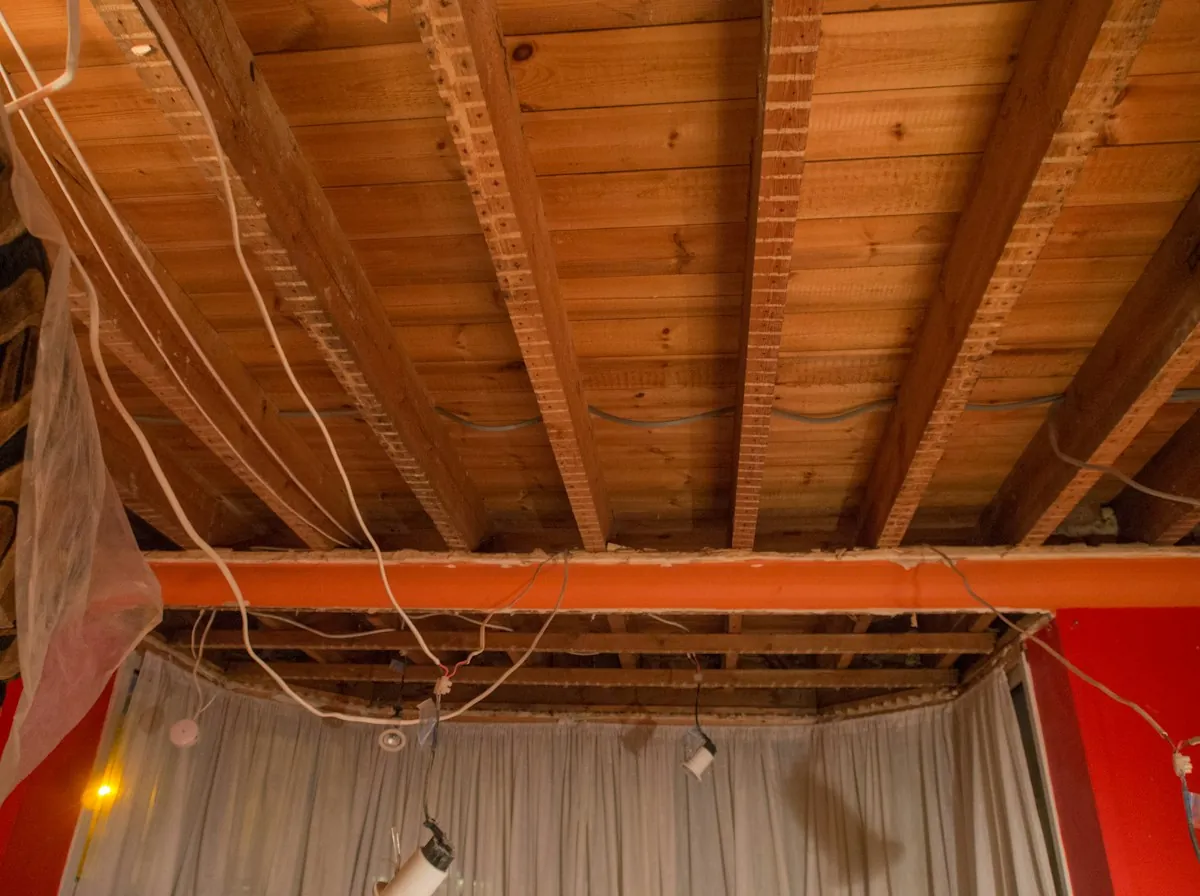
On the low-pitched tract roofs that make up most of this city, the entry point is almost never above the stain. Water runs along a rafter or the top of the ceiling and drops at the first low point it reaches, which can be several feet from where it got in.


Most leak repairs in San Diego County land between $350 and $1,600. Caught early, before the deck is wet, minor repairs start around $200. What matters more than the number here is the scope: a repair that grows past half the roof stops being a repair at all. Two costs are specific to these lots. A Class A assembly where the parcel is in a hazard zone, at roughly $1 to $5 per square foot. And access -- staging and material handling on an elevated lot cost time, and the roof geometry here is busier than below.
Calling at the first stain. A leak that has not reached the sheathing is a flashing job, not a carpentry job.
Wet decking, tile that has to be lifted to reach the detail, an elevated or awkward lot, or an out-of-hours call.
Past 50% of the roof area, a repair becomes a code-compliant re-roof -- cool roof under zone 10, and a Class A assembly in a hazard zone. We establish that before starting.
A hillside neighborhood with panoramic mountain views, next to Sky Ranch Park and the Rattlesnake Mountain Preserve.
Spacious newer houses on elevated lots, with more complex roof geometry than the older tracts below.
Sitting against a preserve is the defining fact. Open brush on the boundary makes the fire-zone question real rather than theoretical, and inside a Very High Fire Hazard Severity Zone a re-roof is a Class A assembly rather than a product choice. Elevation also means wind from directions the valley floor never sees.
Sky Ranch sits beside the Rattlesnake Mountain Preserve, so open brush on the boundary makes the Chapter 7A question an ordinary consideration here rather than an exceptional one.
And here there is a second reason to care: a repair that grows past half the roof stops being a repair and becomes a code-compliant re-roof.
A lap lifted at a hip, a boot perished by the sun, a valley silted up with needles -- a few hundred dollars of work apiece. Each is also the usual opening argument for a replacement, and the argument does not follow from the evidence.
Stay under it and you are repairing a section. Cross it and the whole roof has to meet the cool-roof requirement -- and a Class A assembly if the parcel is in a hazard zone. That is a materially different job at a materially different price.
When it is, we will say so and show you the slope it is true of. What should not be acceptable is either answer arriving without the evidence attached to it.
The questions that decide this job, answered up front.
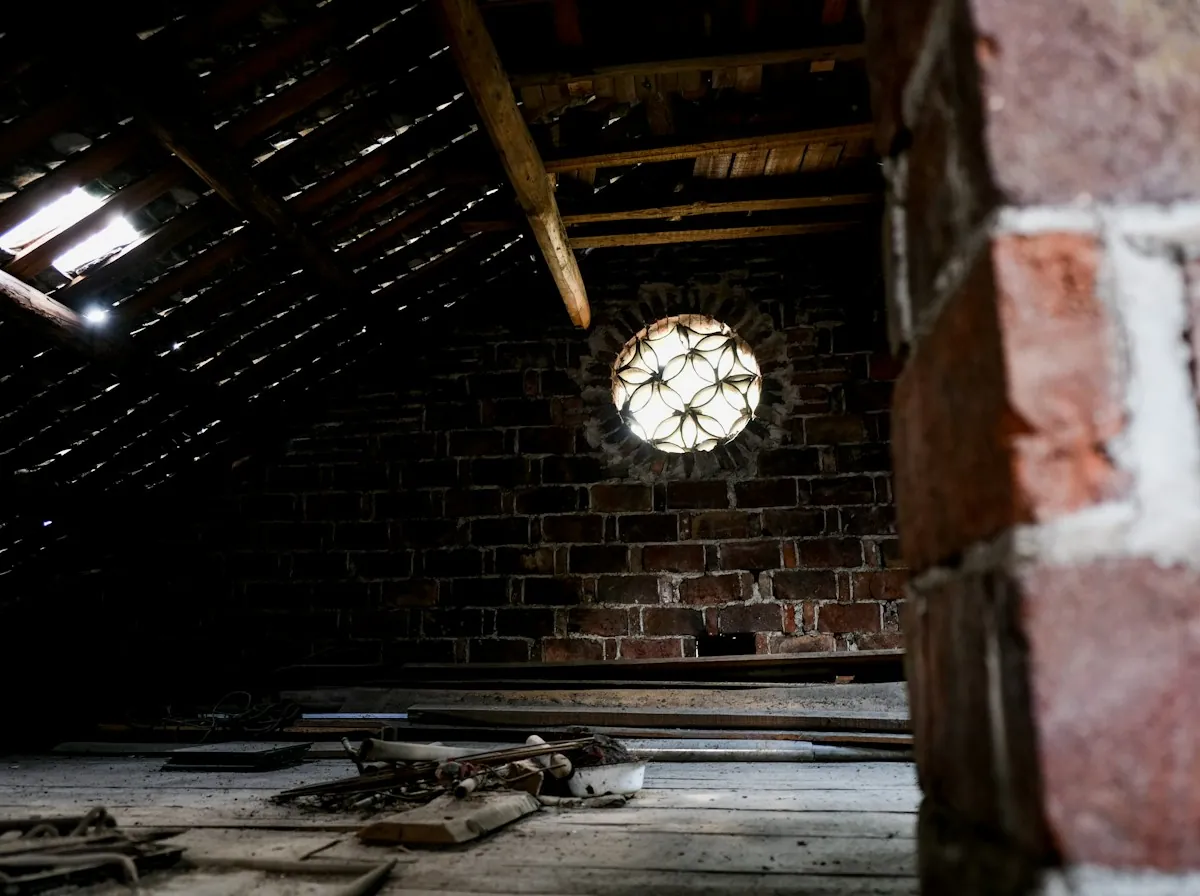
Usually not. Water gets in at a junction, runs along a rafter or the top of the ceiling, and drops at the first low point it reaches. On a low-pitch roof that can be several feet from the entry point, which is why the attic gets walked as well.
Yes, and it is the most useful symptom you can give us. A roof that leaks only in driving rain is usually failing at an upstand or a lap that is fine under vertical water, which narrows the search a long way before anyone climbs a ladder.
We will not tell you it is -- that is a per-parcel question and guessing at it would be irresponsible. The state fire marshal publishes the maps at osfm.fire.ca.gov and San Diego County publishes its own. Your address takes about two minutes to check, and we are happy to look at it with you.
It is a rating for the whole ASSEMBLY, not the covering alone. A Class A shingle laid over the wrong underlayment, or over open eave ends, is not a Class A roof. The ember paths are what the rating is really about: eaves, ridges, open tile ends, vents and the junction where a patio cover meets the wall.
Four documented exceptions: an addition under 300 square feet of roofing, an attic radiant barrier, R-20 or better attic insulation, or properly sealed ducts. On a house with decent attic insulation you may already be compliant without changing the covering at all -- worth measuring before paying a product premium.
Free inspection, and a written quote against a written scope. Where the job sits against the 50% line, established first.